
Developmental Editing
Developmental editing describes two different processes. The first is to help an author through the process of writing the first draft: a chapter by chapter review of the manuscript as the author writes. The editor makes suggestions for changes, offers encouragement, abd helping the author structure the narrative or argument as he or she writes.
The second process in developmental editing is to take a complete first draft, read through it, and make suggestions for larger scale changes to the narrative or argument, suggesting additional references for research manuscripts, and advice for improving the quality of the narrative, character or argument development, the flow of the text, pacing, and so forth.
If you have completed the draft of your manuscript, we recommend at least two passes through the second process to take the manuscript from first draft to final draft.

Line Editing
While developmental editing focuses on broad changes to such things as structure, pace, and flow, line editing, as the name suggests, is the process of going line-by-line through a book and making suggestions for changes to syntax (word choice) and the structure of individual clauses to improve the tone, clarity, and pace of the manuscript.
Line editing typically focuses on items such as the overuse of passive voice, monotonous vocabulary, and statements that may appear clear to the author but perhaps not to a reader. Any serious manuscript requires at least one pass through a line-editing process with an experienced editor who is familiar with the readers of the genre.
As with any editorial process, the product is a set of suggestions, which you, as the author, are free to accept or reject. The final product is your work and yours to control.

Proofreading
Proofreading is the final step that improves a manuscript from a proof to something that is ready to be typeset. Whereas developmental editing focuses on large-scale changes and line-editing focuses on specific lines and words, proofreading goes character-by-character through a manuscript to check spelling, punctuation, spacing, and consistency.
Even in the age of AI, automated spell-checkers, and editorial software, a pair of human eyes is necessary to produce a polished book. Spell checkers cannot distinguish "tale" from "tail," for example. Editorial software does not know whether you mean to "resign" or "re-sign" and does not understand the difference between a "small-market transaction" and a "small market transaction."
Proofreading requires concentration, patience, and time. No living human being can proofread your 65,000 word manuscript properly in 2 days.
Typesetting and Ebook Formatting
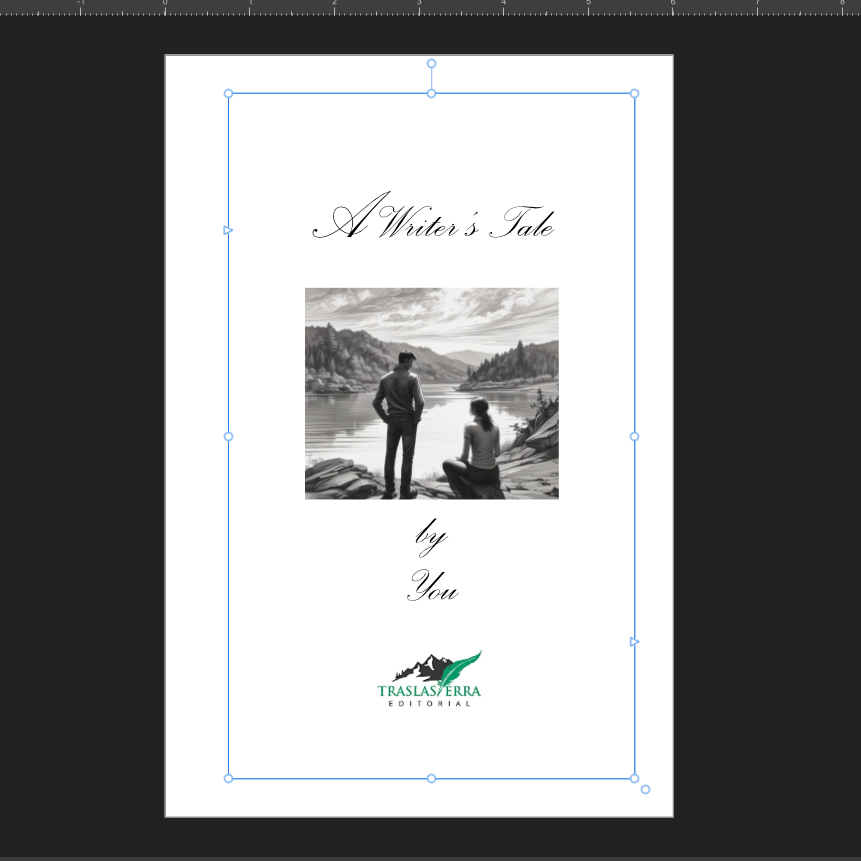
Selecting a proper font and font size appropriate to your tone and genre, placing dropcaps and other aesthetic details, setting kerning (the space between letters), checking for widows and orphans (sentences leftover on a page by themselves), setting up proper headers and footers, creating attractive pagination and layout, a table of contents, placing images properly, indexing (if necessary) and so forth takes time and attention to aesthetics and detail.
We will ensure that your book displays properly on all devices: tablets, computers, Kindle tablets, and cellphones. Likewise, we will go through revisions of the epub as necessary to ensure that it passes through Ingraham Spark's readers and converters, because Ingraham Spark often require addtional edits to the HTML coding. Have your book done professionally.
We will send you a final proofs in every format so that you can see how your book will look in every format. We will revise the designs as necessary to ensure your satisfaction.
Cover Design
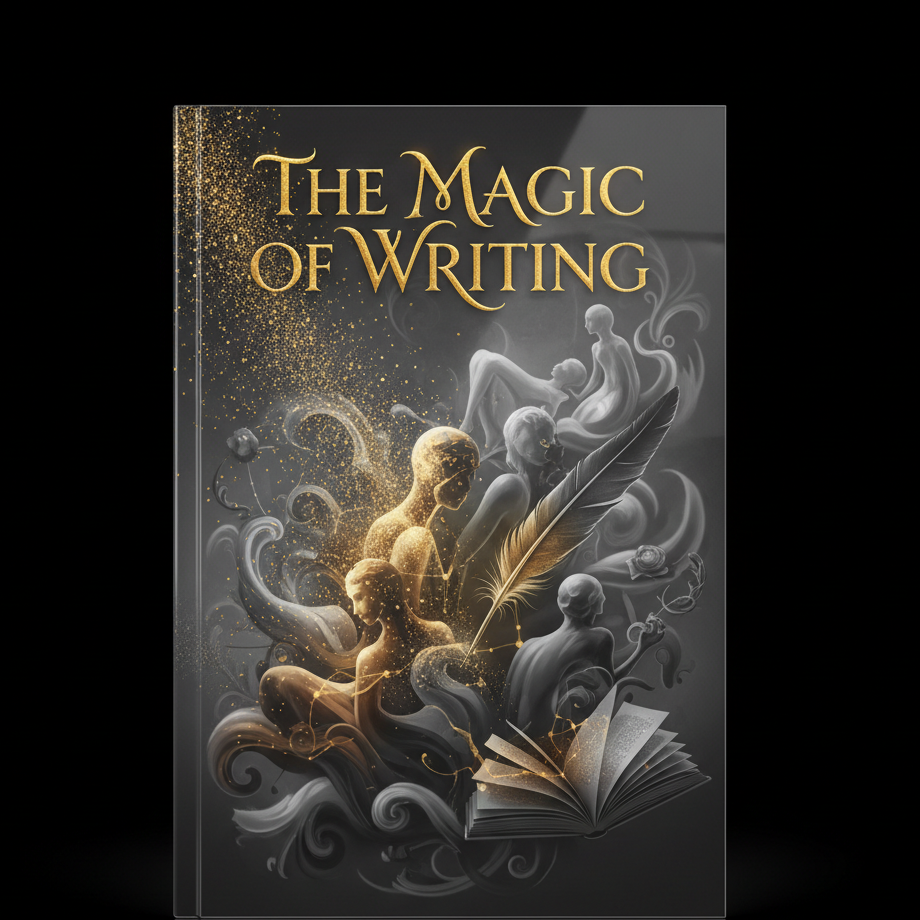
The cover is the first contact most potential readers will have with your book. It is the most important step in any marketing campaign and the finishing touch on your book that ensures your satisfaction. You put a lot of hard work into writing your book, and you deserve to have an elegant cover that conveys your message and tone.
Editorial Traslasierra is located in a scenic region of Argentina that attracts tourists from all over South America. It is home to a large and thriving community of artists and several local art and design schools taught by established and successful artists. We have an in-house artist for graphic design but often contract out work to several local artists and choose artists to design book covers based on the genre and tone so that there is a good match. You would not want Claude Monet to design a cover for a gothic horror novel; nor would you want a postmodern abstract artist to design a cover for an inspirational Christian memoir (most likely).
Tap into the wealth of artistic talent in the traslasierra region of Argentina. The proper magic dust on your cover will give your book the flare that it needs to fly off the shelves.
English to Spanish Translation
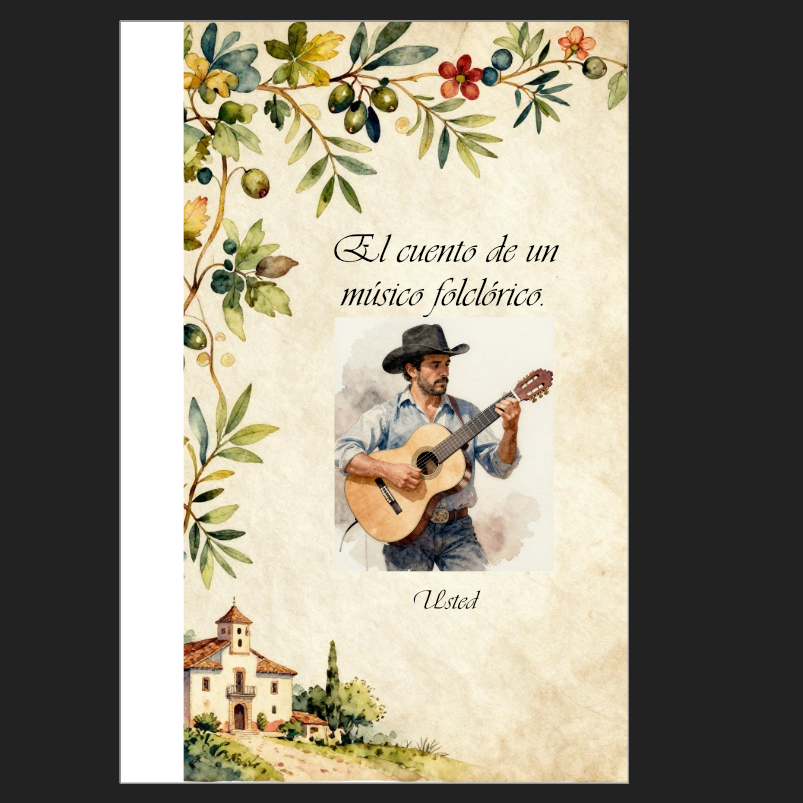
Translation is more than rendering word-by-word transcription of a text from one language to another. It is about conveying context, strangeness, and oftentimes similiarities from one culture and one heritage to another. At editorialtraslasierra, we combine a native English speaker from North America with native Spanish speakers from South America. We move seemlessly, not just from the English language to the Spanish language, but from English-language culture to Spanish-language culture.
In 2025, publishers in Spain reported 3.1 billion Euros in net sales. There are almost 280,000 e-books now in print in Spanish, and sales of Spanish-language e-books are increasing at a rate of 10% annually, which makes Spanish-language publications the fastest growing market for book publishers in the world. Within the U.S., Spanish-language books are the fastest growing market.
Do not miss this market. Have us translate your book to Spanish, so people everywhere in the world can enjoy your work.